
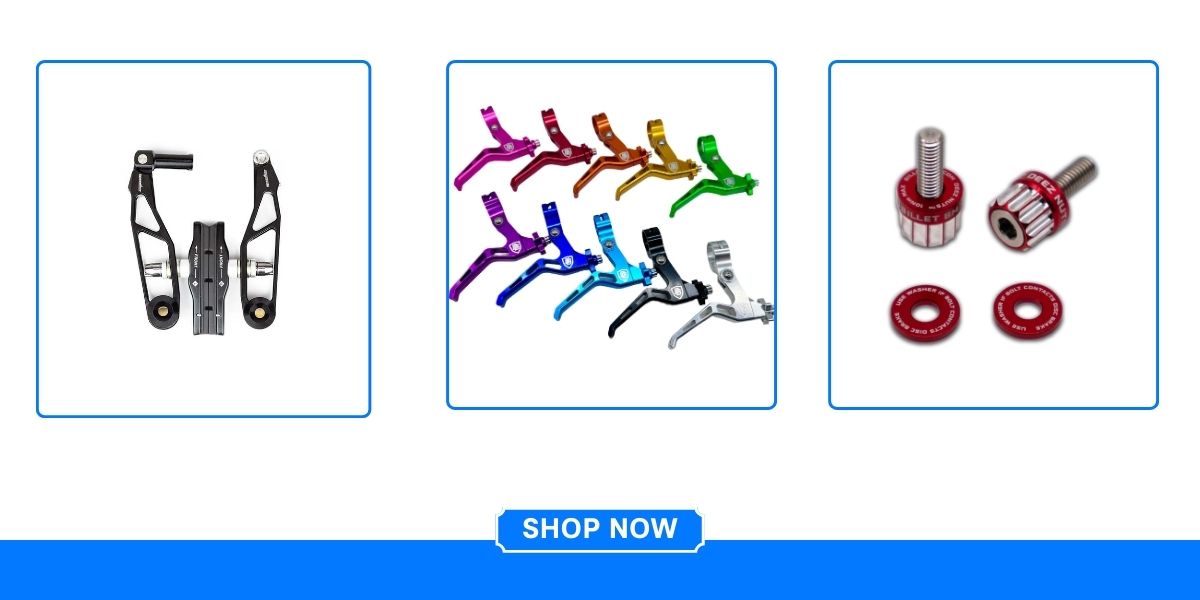
In the thrilling world of BMX riding, brakes play a pivotal role in safety and control. Understanding BMX brakes is essential for any rider, from beginners to seasoned pros. This section will delve into the types of BMX brakes available, highlighting their respective features and suitability for different riding styles.
What are BMX Brakes?
BMX brakes are specialized braking systems designed to enhance the control and safety of BMX bicycles. Unlike traditional bike brakes, BMX brakes are engineered to withstand the rigors of tricks, jumps, and fast-paced riding.
Types of BMX Brakes
There are several types of BMX brakes, each with its own strengths and weaknesses. Selecting the right type can significantly affect your riding experience.
Caliper Brakes
Caliper brakes are one of the most common types of braking systems found on BMX bikes. They consist of a single or dual-pivot arm that clamps onto the wheel rim. These brakes are relatively light and offer good stopping power, making them a popular choice for street and park riders.
V-Brakes
V-brakes provide more stopping power and modulation compared to caliper brakes. They utilize wider arms and can accommodate thicker tire clearance. V-brakes are particularly favored by riders who prioritize performance, especially during aggressive riding and trick maneuvers.
Disc Brakes
Disc brakes are gaining popularity in the BMX world. They offer superior stopping power, especially in wet conditions, as they work independently from the wheel rim. Disc brakes can be a bit heavier but are ideal for riders who seek optimal performance and control.
Importance of BMX Brakes
The significance of BMX brakes cannot be overstated. They do not only enhance performance; they are fundamental for rider safety.
Safety Considerations
Effective braking systems are essential for rider safety. Improperly functioning brakes can lead to serious accidents. Therefore, understanding the mechanics of BMX brakes and ensuring they are in good working order is crucial.
Performance Impact
BMX brakes directly influence performance, from how quickly a rider can stop to how easily they can maneuver. Quality brakes can improve confidence, allowing riders to push their limits while performing tricks and stunts.
Choosing the Right BMX Brakes
When selecting BMX brakes, various factors should guide your decision. Knowing these aspects upfront can help you make an informed choice.
Factors to Consider
Several critical factors contribute to the selection of BMX brakes.
Wheel Compatibility
Not all brakes are compatible with every wheel type. Ensure that your chosen brakes can fit your BMX wheel size and type to ensure optimal performance.
Riding Style
Your specific riding style, whether street, park, or dirt, will significantly impact your brake choice. Different brakes perform better under distinct riding conditions.
Brake Power and Modulation
Evaluate how much stopping power you need. Additionally, the modulation how gradually you can control the brake force also plays a vital role in the overall riding experience.
Best BMX Brake Lever Options
A BMX brake lever enhances control over your braking system. Choosing the right one can significantly improve your riding experience.
Characteristics of a Good BMX Brake Lever

A quality BMX brake lever should offer comfort, easy adjustability, and a lightweight design. Additionally, the lever material should provide traction and durability under various conditions.
Top BMX Brake Levers on the Market
Several brake levers stand out in the BMX community for their quality and performance.
Lightweight Options
Some popular lightweight brake levers are made from aluminum or composite materials, effectively minimizing the bike's overall weight.
Durable Materials
For durability, look for brake levers made from high-quality alloys or reinforced plastics that can withstand the stresses of BMX riding.
Installation and Maintenance of BMX Brakes
Proper installation and maintenance of BMX brakes are essential to ensure they function correctly and efficiently.
How to Install BMX Brakes
Installing BMX brakes involves several steps. Start by positioning the brake arms in line with the wheel rim, followed by securing them in place. Adjust the cable tension to ensure the brakes engage effectively when the lever is pulled.
Routine Maintenance Tips
Regular inspections and maintenance can prolong the life of your BMX brakes. Check the brake pads for wear, ensure cables are not frayed, and clean the rims to maintain optimal performance.
Troubleshooting Common Brake Issues
If you experience issues like brake drag or unresponsive feeling, inspect the brake alignment and adjust the cable tension accordingly. Addressing these problems promptly can prevent long-term damage.
Upgrading Your BMX Brakes
Sometimes, upgrading your BMX brakes can significantly enhance your overall riding experience.
Signs It’s Time to Upgrade
Worn-out brake pads, reduced stopping power, and increased maintenance needs are telltale signs that it's time to consider an upgrade.
Enhancements for Performance
Upgrading to advanced braking systems or high-performance brake pads can yield noticeable improvements, especially for competitive riders.
Choosing Compatible Upgrade Parts
Ensure that any parts you choose to upgrade are compatible with your existing BMX setup. Inspect compatibility with both the wheel size and brake type.
Frequently Asked Questions about BMX Brakes
How do BMX brakes compare to other bike brakes?
BMX brakes are designed specifically for performing tricks and stunts. They usually offer better modulation and response compared to standard road bike brakes.
What is the average lifespan of BMX brakes?
The lifespan of BMX brakes varies depending on usage. Typically, good-quality brakes last for several months, but regular maintenance can extend their life.
Can I adjust my BMX brake lever for better control?
Absolutely! Most BMX brake levers come with adjustment options. Fine-tuning your brake lever can help you achieve the optimal feel and control.


